


What Martial Arts Skills Training Entails
Martial arts have been practiced for centuries, blending physical fitness, mental discipline, and self-defense techniques. Whether you are a beginner or looking to deepen your understanding, knowing what martial arts skills training entails can help you get the most out of your practice. This article explores the essential components of martial arts training, the skills you develop, and how to approach your journey effectively.
Understanding Martial Arts Skills
Martial arts skills go beyond just throwing punches or kicks. They encompass a wide range of abilities that improve your overall physical and mental well-being. These skills include:
Physical Conditioning: Strength, flexibility, endurance, and balance are foundational. Training often involves exercises like stretching, running, and bodyweight workouts.
Techniques and Forms: Learning specific moves such as strikes, blocks, throws, and joint locks. Forms or katas are choreographed sequences that help refine these techniques.
Timing and Distance: Knowing when and how far to strike or defend is crucial. This skill develops through sparring and drills.
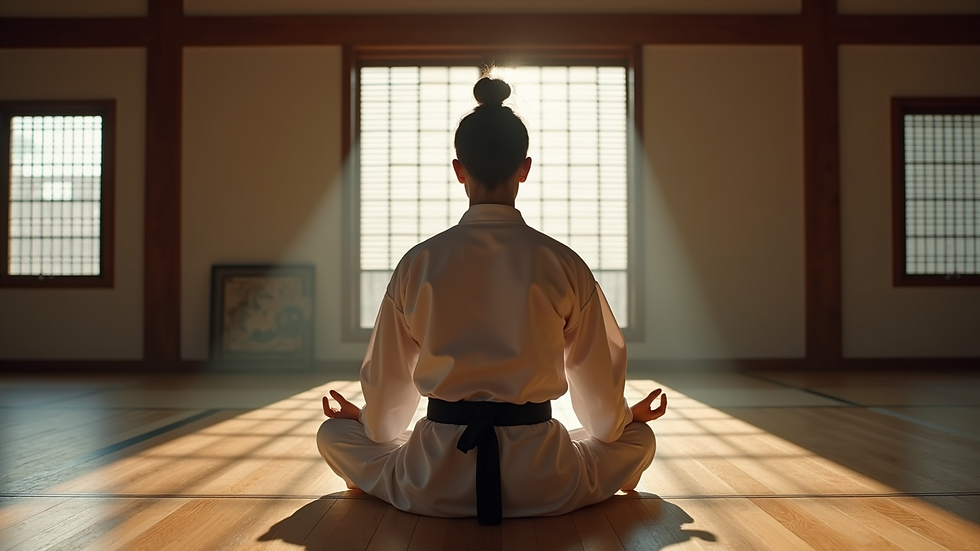
Mental Focus and Discipline: Martial arts require concentration, patience, and respect for others. Meditation and breathing exercises are often part of training.
Self-Defense Application: Practical use of techniques in real-life scenarios, emphasizing safety and control.
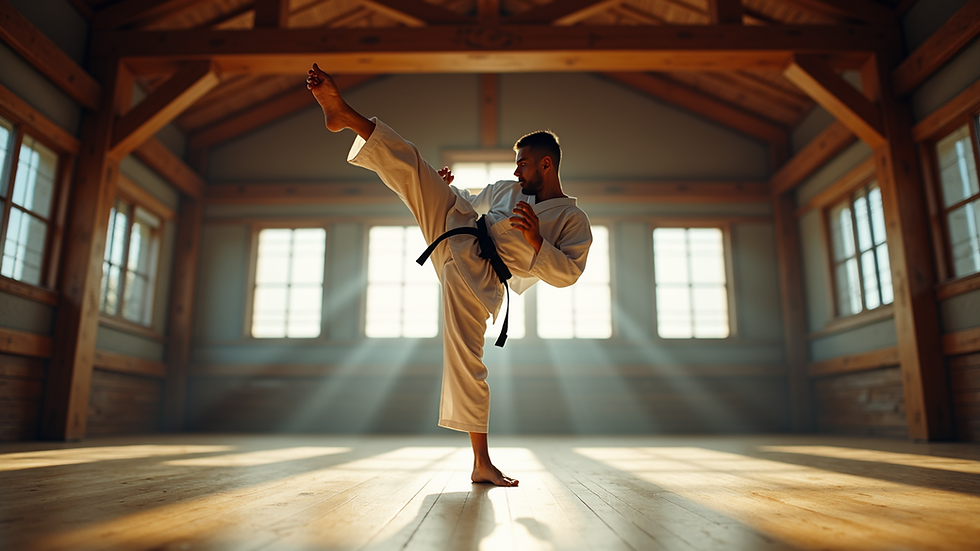
Each martial art style emphasizes different skills. For example, Brazilian Jiu-Jitsu focuses on ground fighting and submissions, while Taekwondo highlights high kicks and speed.
Developing Core Martial Arts Skills
To build a strong foundation, training typically follows a structured approach. Here’s how you can develop core martial arts skills effectively:
1. Start with Basics
Mastering basic stances, footwork, and simple strikes is essential. These fundamentals create a base for more advanced techniques. For example, in Karate, the front stance and basic punches are practiced repeatedly until they become second nature.
2. Practice Consistently
Regular practice is key to improvement. Even short daily sessions can enhance muscle memory and coordination. Many schools recommend training at least 2-3 times per week.
3. Use Drills and Sparring
Drills help isolate specific skills, such as blocking or counterattacking. Sparring, or controlled fighting practice, allows you to apply techniques in a dynamic environment. It also teaches timing, distance, and adaptability.
4. Focus on Conditioning
Physical fitness supports martial arts skills. Incorporate cardiovascular exercises, strength training, and flexibility routines. For example, yoga can improve balance and flexibility, which are vital for executing kicks and evasive movements.
5. Seek Feedback and Adjust
Working with an instructor or training partner provides valuable feedback. Video recordings of your practice can also help identify areas for improvement.
The Role of Mental Training in Martial Arts Skills
Martial arts are as much about the mind as the body. Developing mental skills enhances your overall performance and personal growth.
Building Focus and Awareness
Training requires intense concentration. Techniques like meditation and breathing exercises help calm the mind and improve focus during practice and competition.
Cultivating Discipline and Patience
Progress in martial arts is gradual. Learning to accept challenges and setbacks builds resilience. This discipline often carries over into other areas of life.
Enhancing Confidence and Self-Control
As skills improve, so does confidence. Martial arts teach you to control your emotions and reactions, which is crucial in both training and real-life situations.
Practical Tips for Effective Martial Arts Training
To maximize your training experience, consider these actionable recommendations:
Set Clear Goals: Define what you want to achieve, whether it’s fitness, self-defense, or competition.
Choose the Right Style: Research different martial arts to find one that matches your interests and physical abilities.
Invest in Proper Gear: Comfortable clothing, protective equipment, and quality training tools enhance safety and performance.
Warm Up and Cool Down: Prevent injuries by preparing your body before training and stretching afterward.
Stay Hydrated and Eat Well: Nutrition supports energy levels and recovery.
Join a Supportive Community: Training with others fosters motivation and accountability.
Be Patient and Persistent: Progress takes time, so stay committed even when results seem slow.
For those interested in starting or advancing their journey, exploring martial arts training programs can provide structured guidance and expert instruction.
Embracing the Journey of Martial Arts Skills Development
Martial arts training is a lifelong journey that offers physical, mental, and emotional benefits. By understanding what it entails and committing to consistent practice, you can develop valuable skills that extend beyond the dojo.
Whether your goal is to improve fitness, learn self-defense, or find a new passion, martial arts provide a holistic approach to personal growth. Remember, every expert was once a beginner, and every skill is built one step at a time.
Start your journey today and experience the transformative power of martial arts skills.


Comments